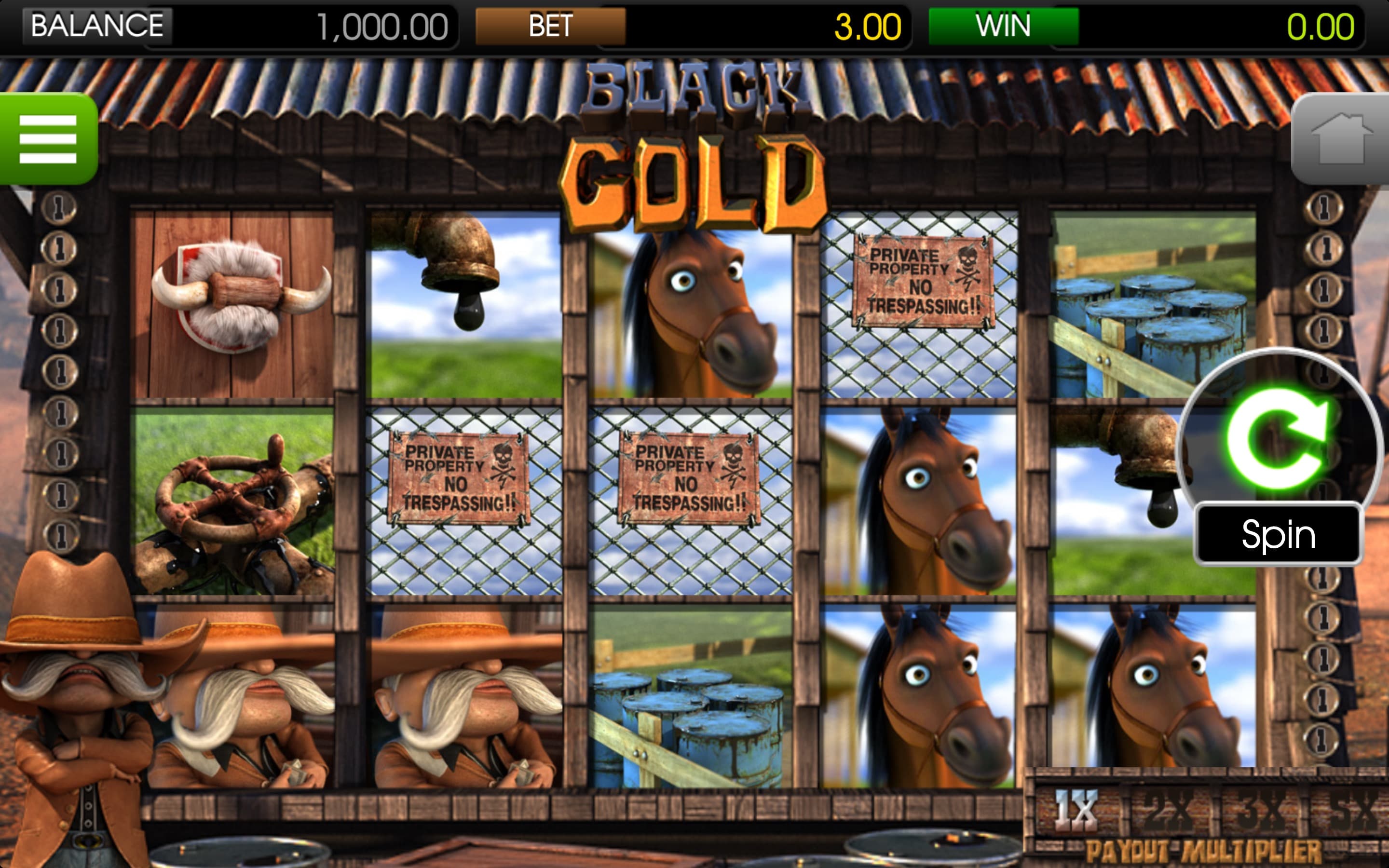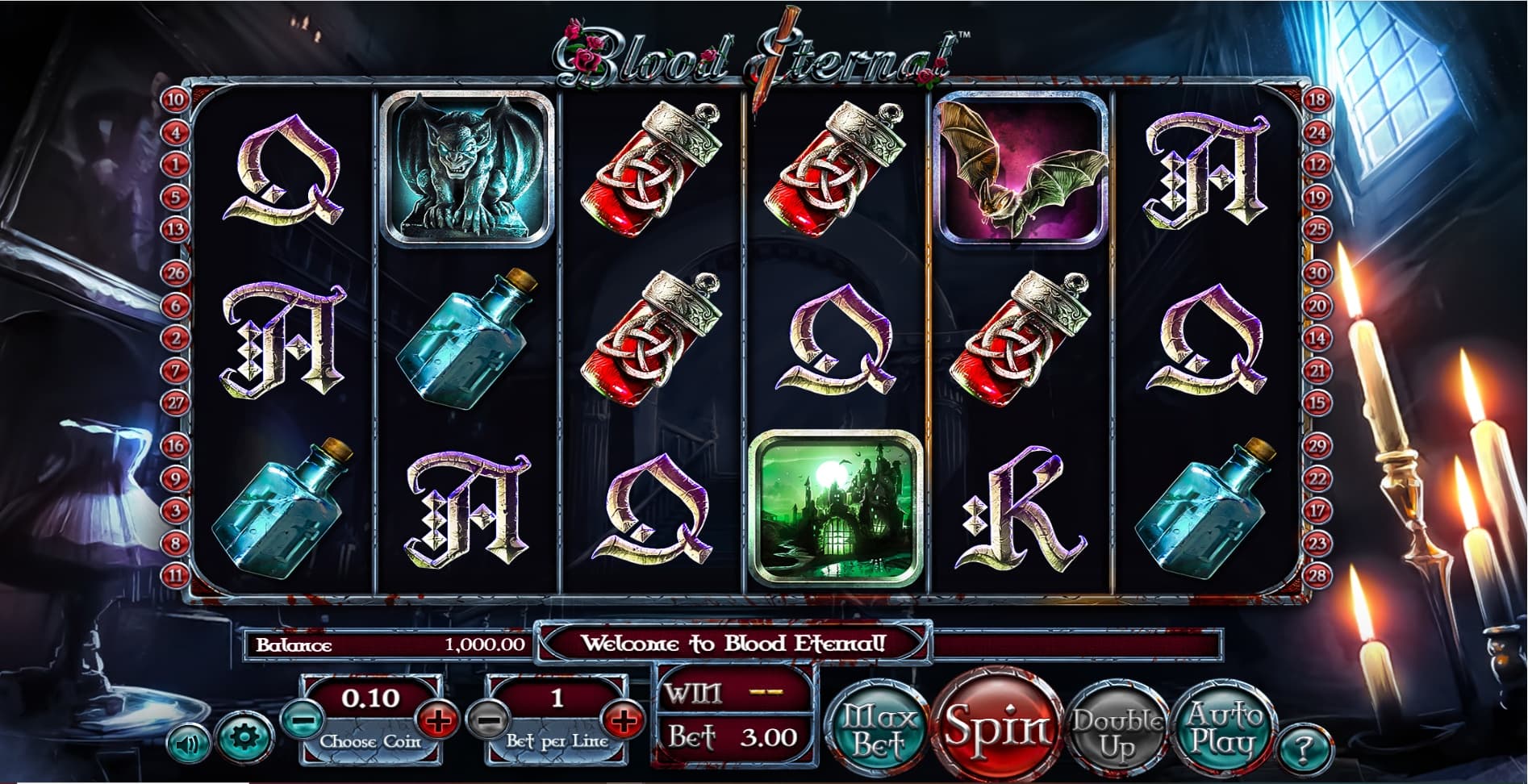
3D Bitcoin Slot Machines With Blockchain Reel Action
Advances in computer graphics and blockchain technology have influenced many forms of digital entertainment over the past decade. Three-dimensional rendering allows developers to create visually detailed virtual environments, while blockchain introduces new approaches to recording transactions and verifying digital activity. Readers researching 3D Bitcoin slot machines often discover that these subjects combine multiple technical disciplines rather than representing a single technological innovation.
Educational resources explain how graphics engines, distributed networks, and software development practices contribute to modern digital gaming. Instead of focusing on individual products or platforms, they examine the technologies that support increasingly sophisticated interactive experiences.
How Three-Dimensional Graphics Enhance Digital Games
Modern 3D games rely on rendering engines capable of generating detailed environments, realistic lighting, animated objects, and smooth visual effects. These technologies have become standard across many types of interactive software, including educational simulations, video games, and casino-style entertainment.
Readers exploring online realistic blockchain slots frequently encounter discussions about real-time rendering, high-resolution textures, and animation systems. Educational articles explain how these visual technologies improve immersion while remaining separate from the systems that process digital transactions.
Core Technologies Used In 3D Development
Modern three-dimensional applications commonly include:
- Real-time graphics rendering
- Three-dimensional models
- Dynamic lighting
- Advanced animation systems
- Physics simulations
- High-resolution textures
- Performance optimization
Together, these technologies create visually engaging interactive environments.
Understanding Blockchain Integration
Blockchain is a distributed ledger technology that stores records across multiple connected computers rather than relying on a single centralized database. In digital entertainment, blockchain may be used for transaction recording, digital asset management, or verification processes depending on the design of the platform.
Readers interested in decentralized casino gaming 3D often encounter explanations of consensus mechanisms, cryptographic security, and distributed data storage. Educational resources focus on these concepts to illustrate how blockchain differs from traditional server-based systems.
Common Blockchain Concepts
Educational discussions frequently cover:
- Distributed ledgers
- Cryptographic verification
- Digital wallets
- Network nodes
- Consensus mechanisms
- Immutable records
- Smart contracts
These concepts provide useful background for understanding blockchain-based applications.
Digital Assets And Interactive Software
Some modern gaming projects combine three-dimensional environments with blockchain-supported digital assets. In these systems, software developers integrate graphical interfaces with distributed technologies while maintaining compatibility across desktop and mobile devices. This requires careful coordination between graphics programming, networking, and security engineering.
Readers researching crypto reel games often find educational explanations describing how blockchain components interact with conventional software architecture. Rather than changing the visual presentation alone, these integrations involve additional backend systems responsible for transaction processing and record verification.
Skills Needed For Blockchain Game Development
Building blockchain-enabled applications commonly involves:
- Software engineering
- Three-dimensional modelling
- Network programming
- Cryptography
- User interface design
- Database architecture
- Quality assurance testing
These disciplines work together throughout the development process.
Learning About Emerging Gaming Technologies
Three-dimensional graphics and blockchain technology represent two separate innovations that increasingly appear together in digital entertainment projects. Readers researching 3D Bitcoin slot machines, crypto reel games, decentralized casino gaming 3D, or online realistic blockchain slots benefit from educational resources that explain graphics rendering, distributed networks, software architecture, and cryptographic concepts without relying on promotional messaging.
By studying how visual technologies and blockchain systems complement one another, readers gain a broader understanding of modern interactive software development. Educational content encourages informed learning by emphasizing engineering principles, technological innovation, and responsible gambling awareness while presenting these subjects from an objective and informative perspective.